

Coming from the heart of Africa, in a landlocked developing country predominantly professing
Christianity, yet now navigating the realities and consequences of the 1994 Genocide against the
Tutsi, I resonate deeply with the saying, “Teaching and learning are not synonymous” by Thom
& Joani Schultz in their book Why Nobody Learns Much of Anything at Church: And How to Fix
It.

Growing up within a conservative culture, in a religious family and regular church attendance
shaped my moral foundation, instilled values of chastity and nobility, and reinforced morality as
a personal conviction and choice. Historically, sex and Christianity have rarely been seen to be
compatible! That’s one problem. Another is that there’s still a lot of nonsense talked about
sex—or it’s not talked about at all (Taboo Subject). Wrong ideas about sex often come because
people don’t feel able to talk about such matters openly and honestly.

Recently, I watched some civil society organizations petition for teenagers’ free access to
contraceptives; the proposal was rejected in parliament, as reported on national television;
however, this is the norm in some other parts of the world. While awaiting the conclusion of this
matter, I continue contemplating solutions to Rwanda’s increasing teenage pregnancy challenge.
Scientific data paints a concerning picture—approximately 5% of adolescent girls aged 15-19 in
Rwanda are either mothers or pregnant. Despite efforts to improve sexual health education,
statistics show that only 18% of unmarried sexually active teens use modern contraceptives,
contributing to high unintended pregnancy rates. Additionally, 24% of girls and 10% of boys
have experienced sexual violence, indicating deep-rooted systemic concerns beyond policy
intervention alone.
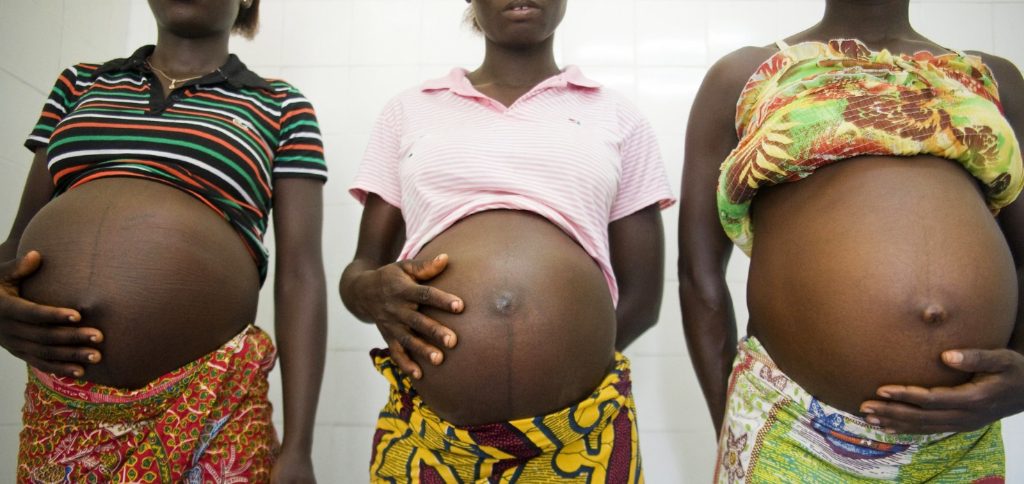
These realities affirm my belief that education must go beyond mere knowledge transfer.
Experience has taught me that we all could use a roadmap, community grace, God’s
empowerment, and structured support systems to navigate life and love responsibly. As Lynn
Stoddard, director of the National Alliance for Redesigning Education, states in his book
Redesigning Education: A Guide for Developing Human Greatness: “We must shift from the
traditional role of ‘knowledge dispenser’ to that of model, mentor, and organizer of experiences
that help students grow.” (allbookstores.com)
In tackling teenage pregnancy and broader moral challenges, mentorship, life skills training, and
experiential learning must become core pillars of an improved education system. By reimagining
how we teach morality, responsibility, and personal development, we can forge a practical
pathway for youth, enabling them to thrive socially, emotionally, spiritually, and intellectually in
today’s world.